
Non-Surgical Support for Dogs and Cats With Joint and Mobility Issues

Updated: Sep 22

When a pet begins having difficulty with mobility, stiffness, limping, or age-related changes, it can be hard to know what options are available.
Conditions such as arthritis, hip dysplasia, degenerative joint changes, previous injuries, and age-related stiffness can all affect the way a pet moves and functions. Depending on the cause and severity, treatment may involve veterinary care, medication, rehabilitation, surgery, or supportive therapies.
For some pets, non-surgical options may also play a helpful role in a broader care plan.
At Dallas Animal Chiropractic, our focus is on supporting mobility, joint function, movement, and overall quality of life.
1. Animal Chiropractic Care
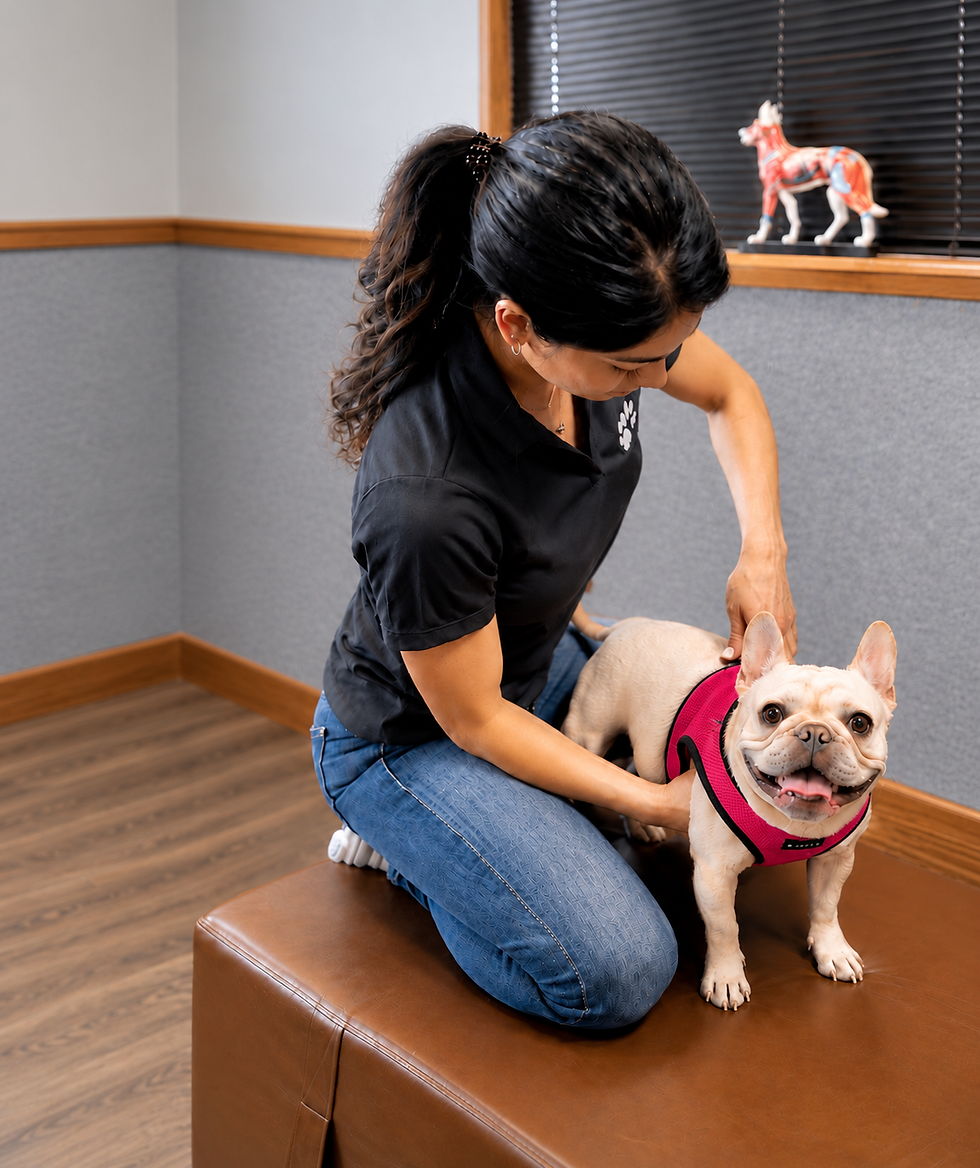
Animal chiropractic care focuses on joint mobility and musculoskeletal function.
During a visit, the spine, pelvis, and extremities may be assessed for areas of restricted joint motion. Chiropractic adjustments or mobilization may then be performed based on the individual pet’s findings and tolerance.
For pets with mobility concerns, chiropractic care may be used as one part of a broader plan to support:
joint mobility
range of motion
movement quality
comfort with activity
overall function
Chiropractic care does not replace veterinary diagnosis or treatment. In Texas, a veterinary referral is required prior to chiropractic care.
2. Cold Laser Therapy
Cold laser therapy, also called low-level laser therapy or photobiomodulation, uses specific wavelengths of light to support tissue recovery and cellular activity.
It is commonly used as a non-invasive supportive therapy for musculoskeletal concerns.
Depending on the pet’s needs, cold laser therapy may be incorporated alongside chiropractic care.
Potential goals may include supporting:
tissue recovery
local circulation
mobility
comfort
Treatment is generally well tolerated and does not require sedation.
3. Nutrition and Joint Support
Nutrition can also play an important role in joint and mobility health.
Depending on your pet’s individual needs, your veterinarian may recommend nutritional strategies or supplements such as:
omega-3 fatty acids
glucosamine
chondroitin
collagen-supportive nutrients
antioxidants
Not every supplement is appropriate for every pet, so it is best to review products with your veterinarian before adding them.
4. Weight Management
Maintaining a healthy body weight is one of the most important ways to reduce unnecessary stress on the joints.
Even small amounts of excess weight can increase the mechanical load placed on the hips, knees, spine, and other joints.
For pets with mobility concerns, a veterinarian-guided weight-management plan may help support:
easier movement
better endurance
joint comfort
long-term mobility
5. Low-Impact Exercise
Movement is important, but the type and amount of exercise should match the pet’s condition and physical ability.
Some pets may benefit from:
short controlled walks
gentle movement on stable surfaces
hydrotherapy
swimming when appropriate
professionally guided rehabilitation exercises
The goal is to maintain strength and mobility without overloading painful or compromised joints.
6. Physical Rehabilitation
Veterinary rehabilitation can be especially helpful for pets recovering from injury, surgery, neurologic conditions, or chronic mobility problems.
A rehabilitation professional may use techniques such as:
therapeutic exercise
strengthening
balance work
gait training
stretching
massage
hydrotherapy
For some pets, rehabilitation and chiropractic care may complement one another as part of a coordinated plan.
When Should Your Pet Be Evaluated?
Mobility changes should not automatically be assumed to be “just aging.”
Talk with your veterinarian if you notice:
limping
stiffness
difficulty standing up
reluctance to jump or use stairs
changes in gait
weakness
reduced activity
sensitivity when touched
sudden changes in movement or behavior
A veterinary evaluation can help determine the underlying cause and whether supportive therapies may be appropriate.
Supporting Mobility With a Whole-Pet Approach
There is rarely one single solution for every pet with mobility or joint concerns.
Depending on the individual animal, care may involve veterinary treatment, weight management, nutrition, rehabilitation, medication, chiropractic care, or other supportive therapies.
At Dallas Animal Chiropractic, we provide individualized chiropractic care and cold laser therapy for dogs and cats with a focus on mobility, joint function, movement, and quality of life.
A veterinary referral is required prior to chiropractic care in Texas.
If you are interested in learning whether chiropractic care may be appropriate for your pet, contact Dallas Animal Chiropractic to learn more about the referral process and scheduling an initial visit.
Andie Ibarra, D.C.


Comments