
Dog Allergies: 5 Ways to Support an Itchy, Uncomfortable Dog

Updated: Sep 22

Dog allergies are common and can show up in several different ways. Some dogs develop seasonal itching, while others experience recurring ear problems, paw licking, skin irritation, or gastrointestinal symptoms.
Because many different conditions can cause similar signs, persistent itching or skin changes should be evaluated by a veterinarian rather than assumed to be allergies.
Once the underlying cause has been identified, there are several ways pet owners can help support their dog’s comfort and skin health.
What Do Dog Allergies Look Like?
Dogs with allergies may show signs such as:
frequent scratching or licking
chewing at the paws
red or irritated skin
recurring ear irritation or infections
hair loss
hot spots
rubbing the face
changes in the skin or coat
digestive upset in some cases
Environmental allergens such as pollen, grasses, dust mites, and mold may contribute to symptoms in some dogs. Food allergies or sensitivities may also be considered depending on the dog’s history and symptoms.
1. Start With a Veterinary Evaluation
The first step is figuring out what may be causing the symptoms.
Fleas, skin infections, parasites, food-related reactions, environmental allergies, and other medical conditions can all cause itching or skin irritation.
Your veterinarian may recommend an examination, allergy management, dietary changes, medications, topical products, or additional testing depending on the individual dog.
Identifying the cause is especially important if symptoms are persistent, severe, or recurring.
2. Reduce Environmental Allergens
For dogs with environmental allergies, reducing exposure to potential allergens may help decrease irritation.
Simple strategies can include wiping your dog’s paws after outdoor walks, washing bedding regularly, bathing with a veterinarian-recommended shampoo, and keeping indoor areas clean.
During high-pollen seasons, some dogs may benefit from having their paws and coat gently cleaned after spending time outdoors.
3. Support Skin Health Through Nutrition
Nutrition plays an important role in maintaining healthy skin and coat.
Omega-3 fatty acids, particularly EPA and DHA from marine sources, are commonly used as part of nutritional support for dogs with inflammatory skin conditions.
The appropriate product and dose depend on your dog’s size, diet, medical history, and other medications, so supplements should be discussed with your veterinarian.
A veterinarian may also recommend a food trial if a food allergy is suspected.
4. Protect Irritated Skin
Dogs that repeatedly scratch or chew an irritated area can create additional inflammation or skin damage.
Hot spots, open sores, hair loss, or areas that appear infected should be evaluated promptly.
Depending on the cause, your veterinarian may recommend medicated shampoos, topical treatments, infection management, or other therapies to help the skin heal.
Home remedies should be used cautiously because substances that seem harmless can irritate damaged skin or be unsafe if a dog licks or ingests them.
5. Support Overall Comfort and Movement
Allergies themselves are not a condition treated with chiropractic care.
However, dogs that have been uncomfortable for an extended period may change the way they move, sit, sleep, or carry their bodies. Repetitive scratching, licking, or altered activity can sometimes occur alongside musculoskeletal stiffness or mobility concerns.
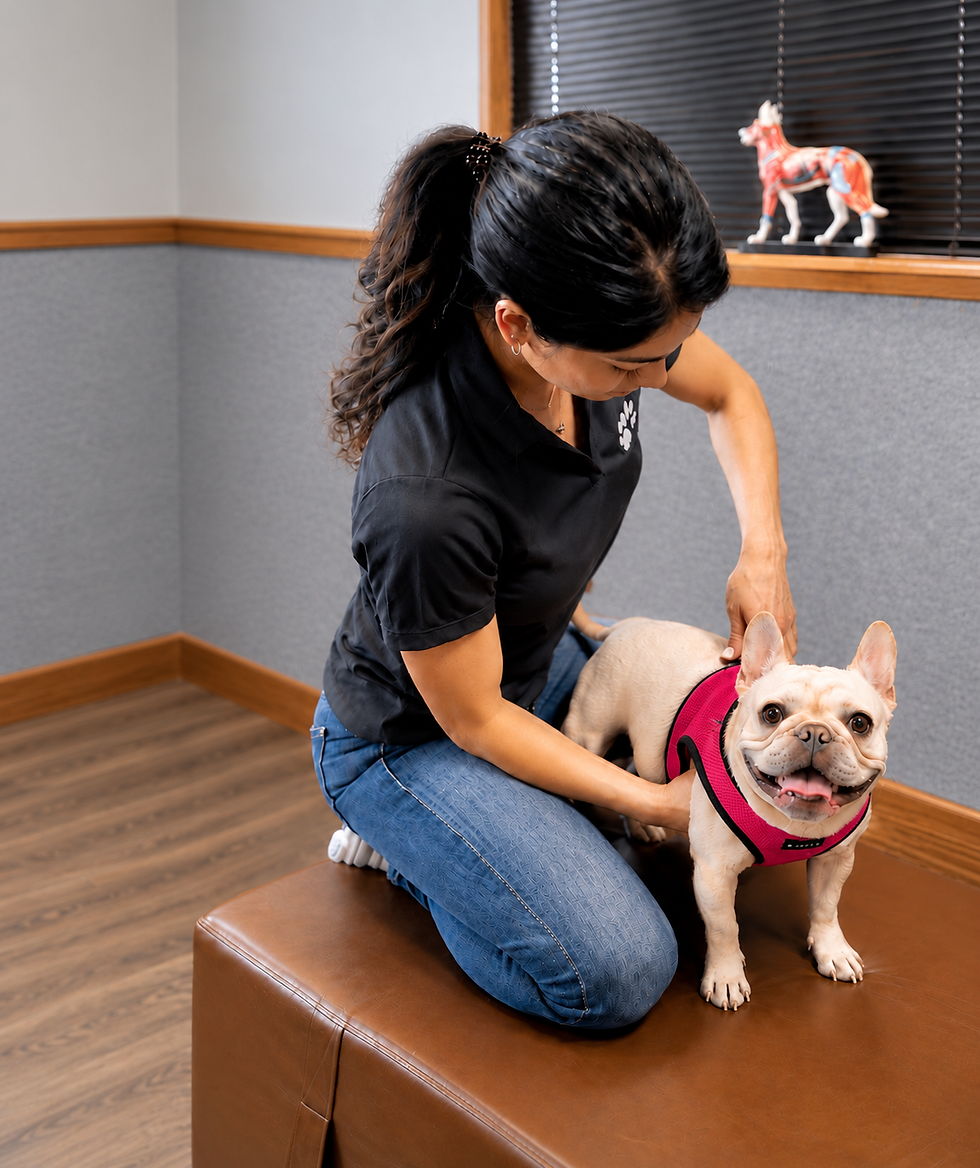
Animal chiropractic care focuses on joint mobility and musculoskeletal function. If a dog with allergies also has stiffness, restricted movement, or other mobility concerns, chiropractic care may be considered as a separate supportive therapy after veterinary evaluation.
At Dallas Animal Chiropractic, we assess each animal individually and focus on mobility, joint function, movement, and overall quality of life.
When Should You Call Your Veterinarian?
Occasional itching can happen, but persistent or worsening symptoms deserve attention.
Contact your veterinarian if your dog has significant redness, open sores, recurring ear infections, swelling, extensive hair loss, a strong skin odor, persistent paw chewing, or itching that is interfering with sleep or normal activity.

Sudden facial swelling, difficulty breathing, weakness, vomiting, or collapse can indicate a more serious allergic reaction and require urgent veterinary care.
A Whole-Pet Approach to an Itchy Dog
Managing allergies often requires more than one strategy.
Veterinary treatment, environmental management, nutrition, skin care, and lifestyle adjustments may all play a role depending on the cause of your dog’s symptoms.
The goal is not simply to stop the scratching temporarily, but to identify what is contributing to the problem and build an appropriate long-term plan.
Dallas Animal Chiropractic provides chiropractic care for dogs and cats in Carrollton and the greater DFW area, with a focus on mobility, joint function, and quality of life.
A veterinary referral is required prior to chiropractic care in Texas.
Andie Ibarra, D.C.


Comments