
Complementary Therapies for Pets: Chiropractic, Rehabilitation, Acupuncture, and More

Updated: Sep 22
Pet owners today have more options than ever when it comes to supporting their animal’s mobility, comfort, and recovery.
In addition to conventional veterinary care, complementary therapies such as animal chiropractic, veterinary rehabilitation, acupuncture, therapeutic exercise, and cold laser therapy may be incorporated into an individualized treatment plan.
These therapies are not intended to replace veterinary medicine. Instead, they may be used alongside veterinary care to support movement, function, recovery, and overall quality of life.
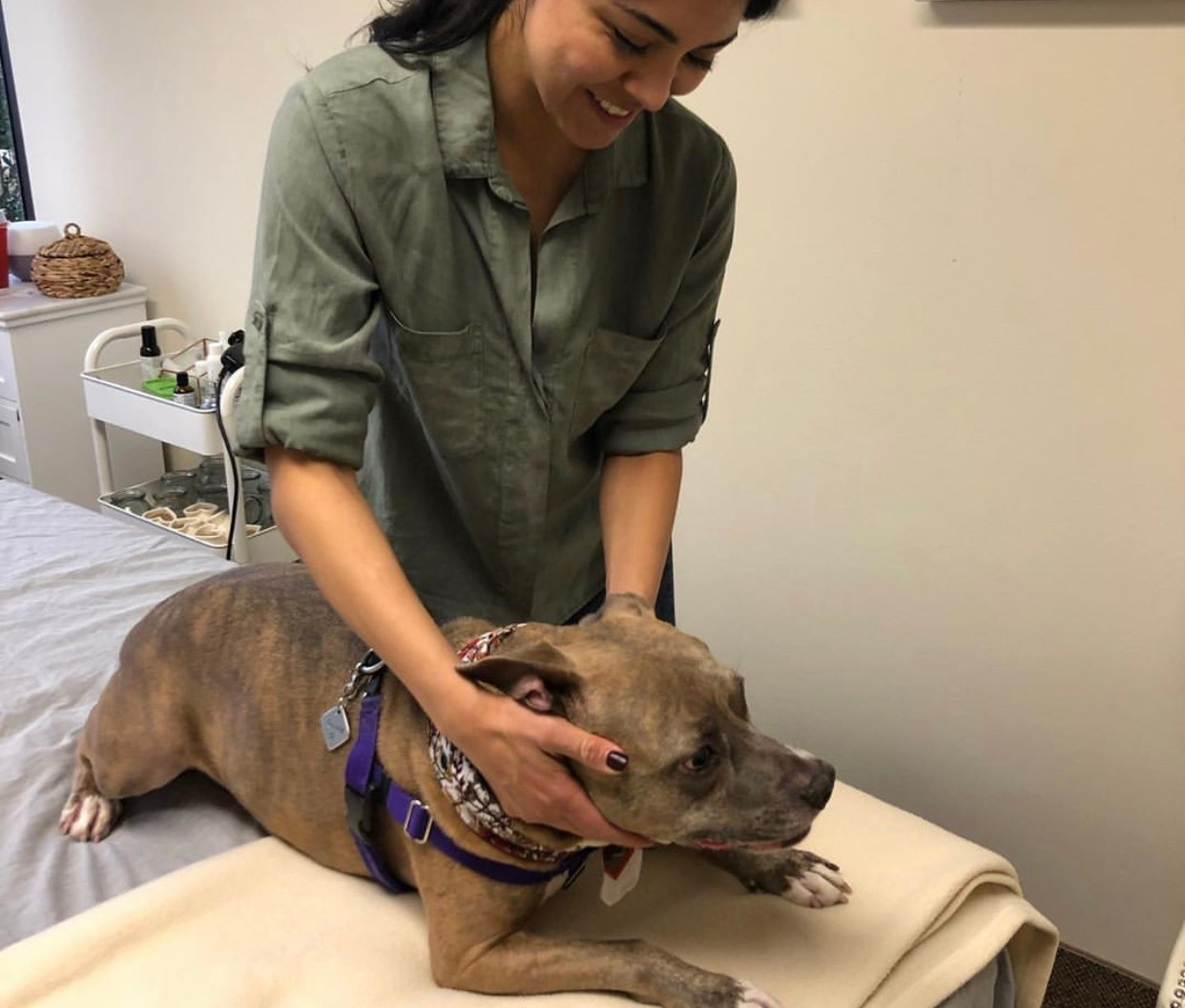
Veterinary Rehabilitation and Physical Therapy
Veterinary rehabilitation focuses on restoring or maintaining strength, mobility, balance, and function.
Depending on the pet’s condition, a rehabilitation program may include:
therapeutic exercises
controlled walking
stretching and range-of-motion exercises
balance and coordination work
underwater treadmill therapy
swimming or other low-impact exercise
Rehabilitation is often used after surgery or injury and may also be helpful for senior pets or animals with chronic mobility concerns.
A trained veterinary rehabilitation professional can develop an exercise plan based on the animal’s diagnosis, physical ability, and goals.
Animal Chiropractic Care
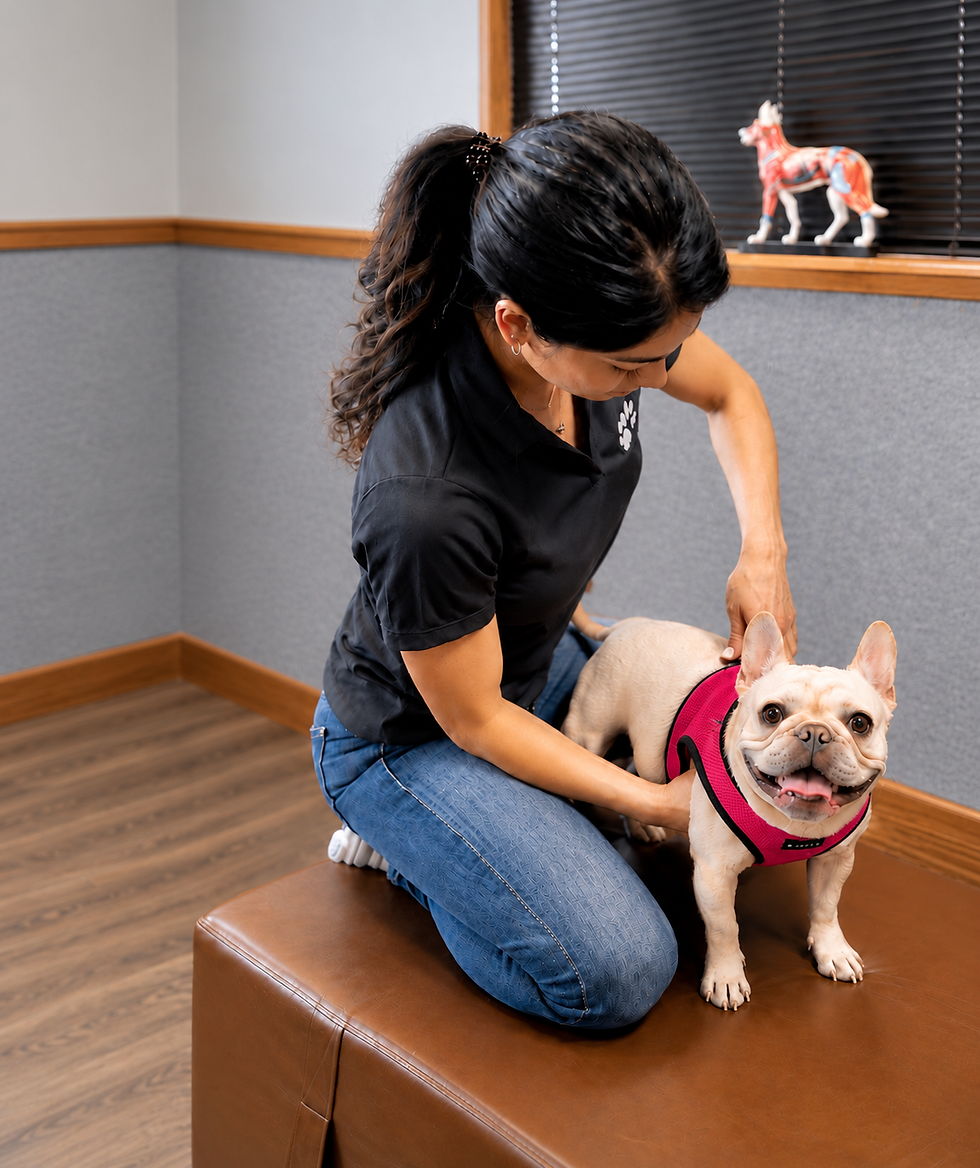
Animal chiropractic is a hands-on approach focused on joint mobility and musculoskeletal function.
During an animal chiropractic visit, the practitioner evaluates movement, posture, joint function, and areas of restricted motion throughout the spine, pelvis, and extremities.
Gentle, targeted chiropractic adjustments or mobilization may be performed when appropriate.
The goal is to support normal joint movement, mobility, and overall function rather than to treat or diagnose an underlying veterinary condition.
At Dallas Animal Chiropractic, each animal is evaluated individually, and care is based on their current movement and musculoskeletal findings.
Veterinary Acupuncture
Acupuncture involves the placement of very thin needles at specific points on the body.
Veterinary acupuncture may be used as part of a broader treatment plan for certain pain, mobility, or medical conditions.
Proposed effects include stimulation of the nervous system and modulation of physiologic processes associated with pain and circulation.
Because acupuncture is a medical treatment for animals, pet owners should seek a veterinarian who has appropriate training in veterinary acupuncture.
Cold Laser Therapy
Cold laser therapy, also known as photobiomodulation or low-level laser therapy, uses specific wavelengths of light to influence cellular activity.
It may be incorporated into care for certain musculoskeletal conditions or soft-tissue concerns.
At Dallas Animal Chiropractic, cold laser therapy may be used alongside chiropractic care when appropriate to support comfort and recovery.
Treatment is non-invasive and is generally well tolerated by pets.
Nutrition, Weight, and Lifestyle Matter Too
Mobility care does not stop with hands-on treatment.
Maintaining an appropriate body weight, providing proper nutrition, and keeping pets safely active can all contribute to musculoskeletal health.
Depending on the animal, a veterinarian may also recommend nutritional supplements, weight-management strategies, or modifications to activity at home.
The best plan depends on the individual pet, their medical history, and the underlying cause of their symptoms.
When Complementary Care May Be Appropriate
Complementary therapies may be considered for pets experiencing:
age-related stiffness
changes in mobility
difficulty getting up or lying down
changes in gait
decreased activity
recovery after certain injuries or procedures
chronic musculoskeletal concerns
athletic or performance-related demands
However, sudden pain, weakness, paralysis, loss of coordination, or significant changes in mobility should be evaluated by a veterinarian.
Working Together for Your Pet
The most effective approach to mobility care often involves collaboration.
Veterinary medicine, rehabilitation, chiropractic care, acupuncture, exercise, nutrition, and other supportive therapies may each have a role depending on the individual animal.
At Dallas Animal Chiropractic, we provide individualized chiropractic care and cold laser therapy for dogs and cats with a focus on mobility, joint function, movement, and quality of life.
A veterinarian-signed referral is required before chiropractic care in Texas.
Andie Ibarra, D.C., C.A.C.


Comments